Rosacea is more than just a cosmetic nuisance. It’s a chronic, inflammatory skin condition that requires precise diagnosis and ongoing care.
For those managing persistent redness, visible blood vessels, or inflammatory bumps, finding expert treatment can mean the difference between daily discomfort and lasting control. This guide outlines what rosacea is, explains the most effective medical and procedural treatments, and introduces how The Dermatology Specialists delivers expert, personalized rosacea care to everyone with skin in New York, Philadelphia, and Delaware.
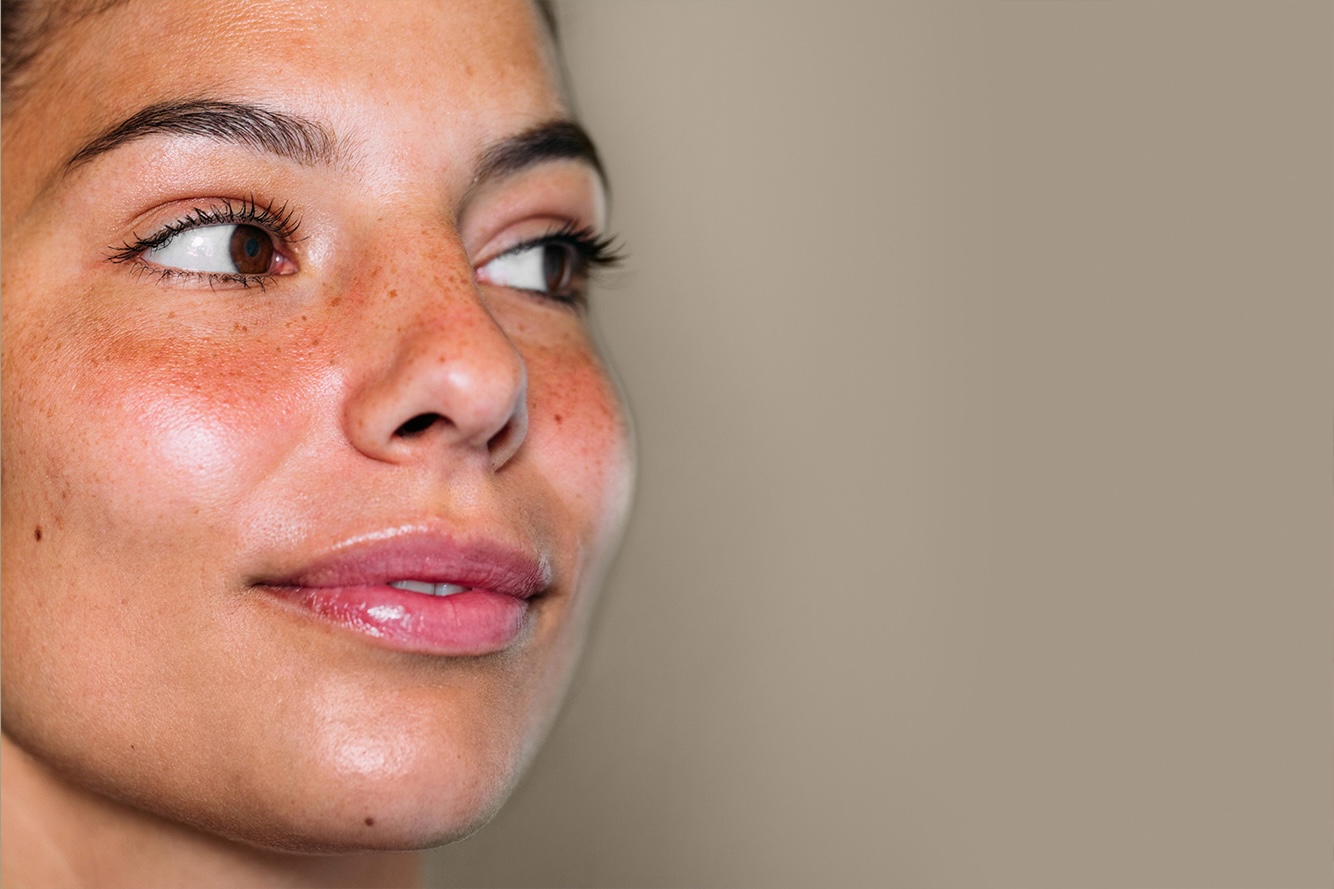
Rosacea is a long-term inflammatory skin disorder that can cause any combination of facial redness, visible veins, and sometimes pimple-like bumps or thickened skin. It most often affects adults with fair skin, though anyone can develop it.
Dermatologists identify four primary subtypes outlined below. Very Commonly people have more than one type.
Correctly identifying the subtype—or combination of subtypes—is essential for tailoring treatment. Clinical evaluation by a board-certified dermatologist ensures an accurate diagnosis and an effective, personalized care plan.
Recognizing Symptoms of Chronic Rosacea
Rosacea symptoms vary widely among individuals and can wax and wane over time.
Rosacea Subtypes and Typical Symptoms
Erythematotelangiectatic
Persistent redness, visible veins, and flushing.
Papulopustular
Acne-like breakouts, pustules, and inflammation. Learn more about the difference between acne and rosacea here.
Phymatous
Thickened or bumpy skin on the nose.
Ocular
Dry, irritated eyes; swollen or red eyelids.
More than half of patients with rosacea experience eye symptoms, highlighting the need for comprehensive management. Early recognition and intervention are important for both immediate relief as well as preventing accumulation of chronic changes over time that are more difficult to address.
Accurate diagnosis forms the cornerstone of effective rosacea management. Board-certified dermatologists evaluate skin appearance, trigger patterns, and clinical history.
Because rosacea can mimic other conditions like acne, contact dermatitis, or even lupus, expert differentiation is crucial. At The Dermatology Specialists, patients benefit from coordinated care that ensures consistent evaluation and smooth transitions between providers and locations.
Rosacea treatment follows a tiered model that matches therapy intensity to disease severity. Most patients start with topical agents, progress to oral medications if needed, and may incorporate in-office procedures for persistent redness or visible veins. While each patient is unique, the below is a general outline of treatment type by symptom.
Topical agents
Help reduce redness and calm inflammation.
Oral antibiotics
Used to treat papules and pustules.
Isotretinoin
Reserved for severe cases or phymatous rosacea.
Injectables
Addresses flushing and supports cosmetic restoration.
Topical Medications for Redness and Inflammation
Topical therapy remains first-line care for many rosacea subtypes. Common medications are subtype specific and may include:
These foundational treatments are frequently prescribed to help patients achieve a calmer complexion and smoother skin tone.
When rosacea becomes more inflammatory, oral medications such as doxycycline, minocycline, and, rarely, even isotretinoin, may be prescribed for their anti-inflammatory properties. Therapies are often combined with topical and laser treatments for the best results under professional management.
Modern rosacea care increasingly includes vascular-focused lasers that directly target visible vessels and diffuse redness. These tools deliver controlled light energy to obliterate small facial blood vessels and reduce redness and flushing.
V Beam
Best for persistent redness and visible blood vessels. Helps close vessels and reduce overall redness.
Laser Genesis
Ideal for redness with mild acne-like bumps. Targets oil glands and helps smooth skin texture.
IPL / Long Pulse NDYAG
Used for general, diffuse redness. Evens out skin tone and improves overall clarity. Good for getting rid of small visible blood vessels called telangiectasis.
As a leading dermatology practice, The Dermatology Specialists use advanced, multi-platform systems to customize treatment for each patient’s skin tone and sensitivity.
Laser and IPL treatment plans usually involve three to six sessions spaced about a month apart. Sessions are typically brief, with minimal downtime, and improvements appear progressively over several weeks. With consistent skin care and trigger awareness, results can last for a many months or longer.
Because rosacea is chronic, daily skin care and trigger management are vital. Identifying what worsens flare-ups and protecting the skin barrier helps sustain treatment results.
Frequent triggers include:
Keeping a trigger diary helps patients recognize personal patterns and modify habits to support calmer skin.
Gentle daily care stabilizes redness-prone skin:
Avoid harsh scrubs or acne remedies that can exacerbate irritation. The Dermatology Specialists’ can recommend skincare to balance efficacy and skin tolerance for long-term barrier health. Shop our favorite skincare products.
UV exposure is one of the strongest triggers of rosacea. Daily broad-spectrum sunscreen, plus hats or shade during commutes, significantly reduces flare frequency. Shop our derm-approved sunscreens here.
Early intervention and access to specialized dermatologic care allow for lasting rosacea control. The Dermatology Specialists’ wide network offers board-certified dermatologists experienced in both medical and procedural management of rosacea.
More than half of people with rosacea experience eye symptoms such as dryness or lid swelling. The Dermatology Specialists’ can recommend ophthalmology partners when needed, ensuring comprehensive coordination between skin and ocular care.
Teledermatology gives patients flexible access to trusted providers through secure video consultations. The Dermatology Specialists’ digital intake tools and remote progress tracking make it easier to maintain consistent management between visits—ideal for busy lifestyles.
Successful control of chronic rosacea relies on a combination of therapies, monitoring, and patient education.
Integrate medical, procedural, and behavioral strategies for maximum results. Ongoing evaluation ensures that care plans evolve as skin health improves.
The National Rosacea Society offers helpful tools such as the Rosacea Diary and Triggers Checklist. Patients are encouraged to use these resources alongside their dermatologist for consistent, informed management. For more information on rosacea management strategies read our in-depth article.
Common triggers include sun, spicy foods, alcohol, temperature changes, and stress. Minimizing these and tracking reactions in a diary helps reduce flare frequency.
Noticeable improvement can begin in as little as a couple of days to taking several weeks. It can take as long as a few months of close collaboration with a dermatologist to achieve optimal results and a reliable regimen. Consistent care is key.
Yes. Gentle skincare, trigger avoidance, and diligent sun protection can significantly decrease flare-ups and irritation.
Most patients report only mild discomfort and temporary redness that fades quickly, allowing a return to regular activities the same day.
Seek professional care if redness, bumps, or visible vessels persist or worsen, or if you experience eye dryness or vision changes. The Dermatology Specialists offers easy access to experts across NYC, Philadelphia, and Delaware for timely evaluation and treatment.