Have you ever heard of the plantar wart duct tape “hack” to get rid of warts? It’s not surprising if you have! It’s actually a commonly known method used widely. But does duct tape work for plantar warts all that well?
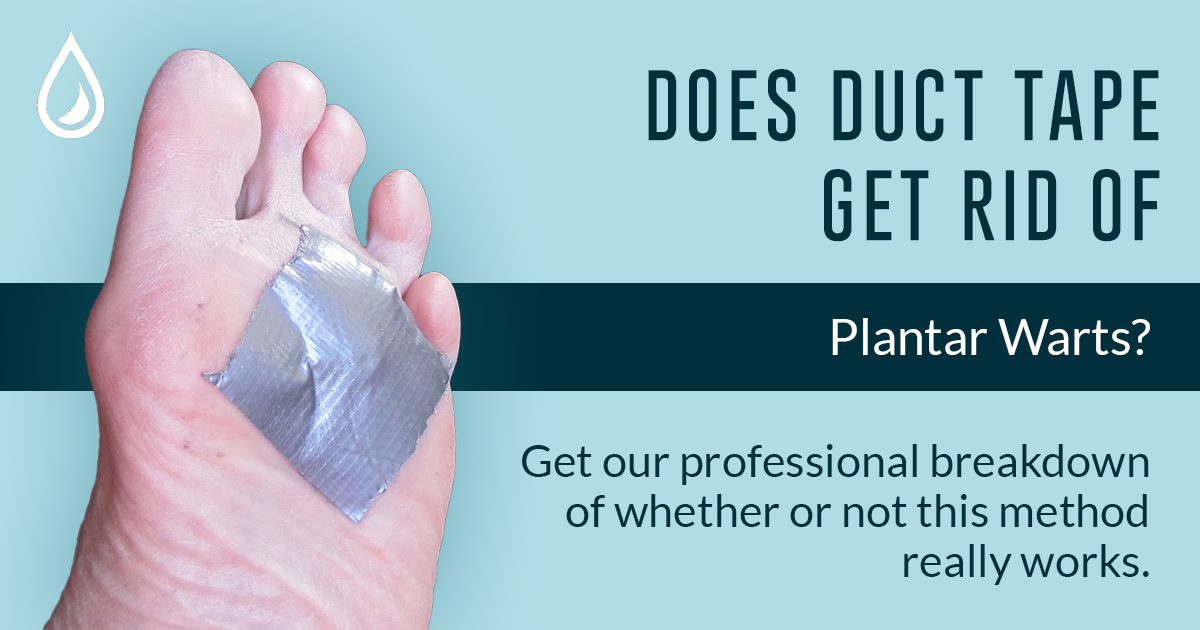
Duct tape became popular after early studies suggested it might help break down wart tissue and stimulate the immune system. Research is limited and mixed with inconsistent results, especially compared to standard treatments like salicylic acid or cryotherapy. Some people do see improvement, but overall it tends to be less effective and slower than in-office dermatological wart treatments.
Believe it or not, duct tape was originally described by the Journal of the American Academy of Pediatrics as a treatment for plantar warts on the feet. While how it works (for some) is not entirely understood, hypotheses include causing location irritation to the area promoting an immune response as well as stripping away and preventing accumulation of thick warty skin.
Another way duct tape works is in conjunction with medication by “revving up” the medication you’re putting on the wart by trapping it against the skin and improving its penetration.
How to use duct tape for plantar warts:
It may never go away completely with duct tape alone. Occasionally, it takes more professional treatment options to get rid of a plantar wart.
However, many report that it can take up to two months to get rid of a wart using the duct tape method. If you’re not seeing improvement, explore professional plantar wart removal.
Sometimes, duct tape on plantar warts does work. While the sticky breakup is indeed a DIY at times it proves ineffective or requires months of diligent effort. Now, do we want months of a wart just… hanging around? Doubtful. So if you want a clean exit, call us. We have plenty of treatment options for plantar warts. Schedule an appointment or just walk in to one of our clinics.
Liquid Nitrogen for Plantar Warts
The most commonly used treatment is liquid nitrogen to bring the wart down to -50 degrees Celsius, and then immediately rewarm the skin. It gets really cold, like putting your tongue on a flagpole in the winter, the quick transition from freezing to room temperature causes viral particles to lyse (explode).
This treatment may cause a small blister afterwards, as the wart bubbles-up and falls off. It takes an average of three sessions to make most warts completely disappear. We space these treatments two weeks apart.
Yeast Injection for Plantar Warts
There are many other therapies for wart removal. For example, we can inject a yeast into that area and try to get the immune system to respond to the HPV virus.
Pulsed Dye Laser for Plantar Warts
Another therapy includes the pulse dye laser. This works by heating up blood vessels that supply the wart, thereby suffocating it.
Bleomycin for Plantar Warts
The most intense treatment is called bleomycin, a treatment wherein we inject a very strong anti-cancer agent into the wart tissue to cause the wart to necrose (die) and fall off.
These are among my top therapies for treating warts in our practice.
Prescriptions for Plantar Warts
We can also give you prescriptions to take home with you ranging from over-the-counter treatments like salicylic acid to more advanced therapies, like imiquimod, which causes the immune system to target an HPV-affected area.
All of our therapies surround an attempt to irritate the wart area, so that the body’s immune system recruits T cells to the wart to target the HPV virus.
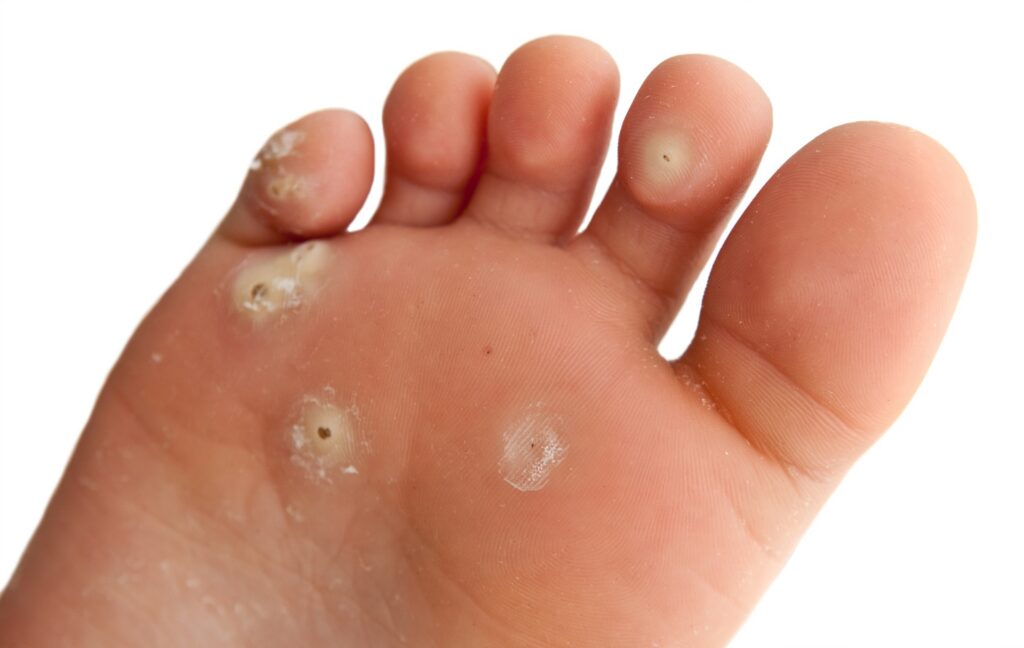
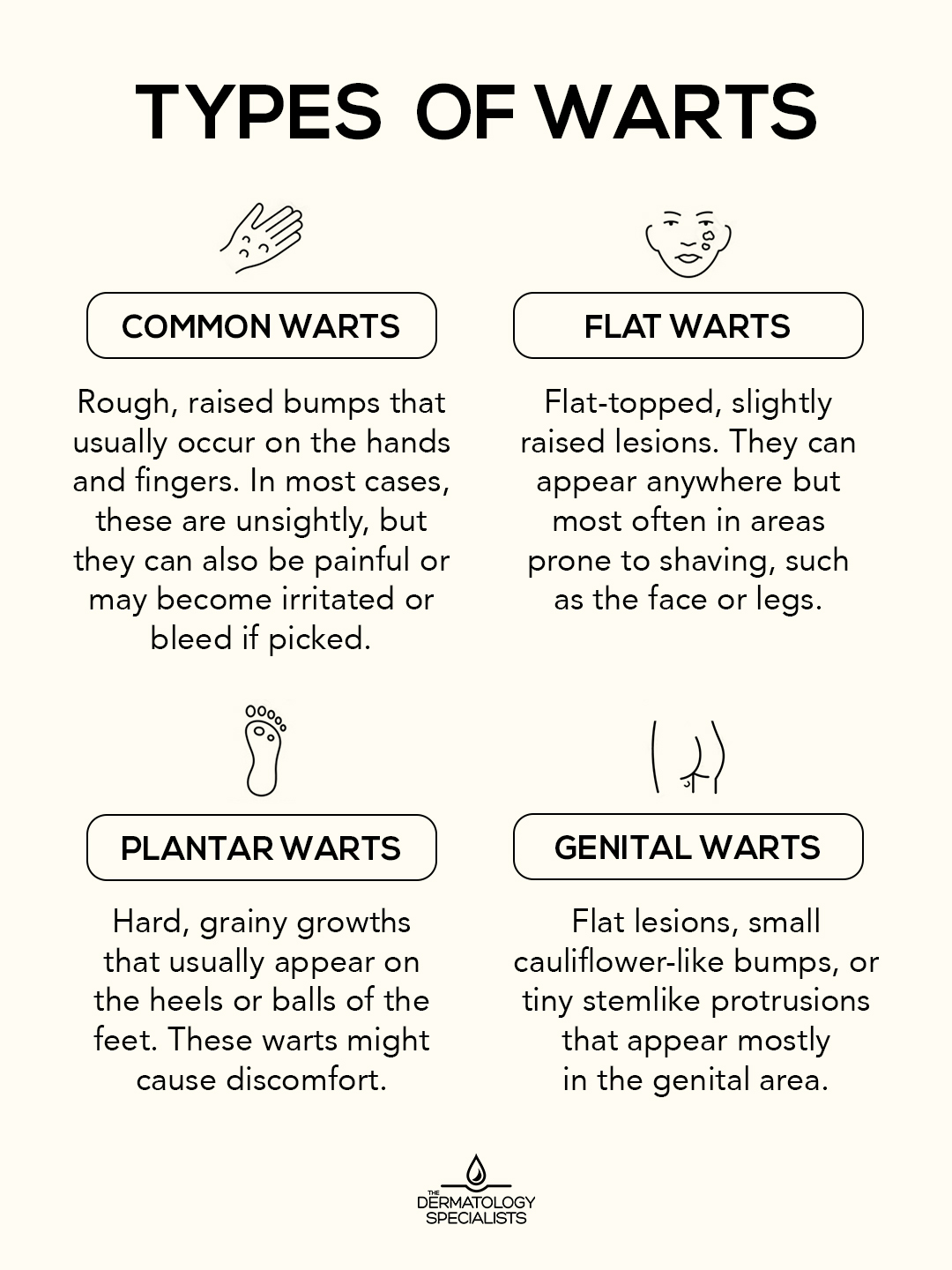
It bears mentioning that one of the reasons warts hang around as long as they do is because they’re never harmful to the body. While pesky and annoying, occasionally even a bit tender, warts never harmed anyone.
Therefore, the immune system has learned to, over time, ignore them. Essentially we must “trick” our immune system into targeting them.
According to the American Academy of Dermatology:
Does duct tape work for plantar warts?
It can help in some cases, but results are inconsistent and often slower than medical treatments.
How long does duct tape take to remove a wart?
It may take several weeks or longer, and it doesn’t always fully resolve the wart.
When should I see a dermatologist for a plantar wart?
If the wart is painful, spreading, or not improving after 4 to 8 weeks, it’s a good idea to come in for treatment.
If your wart hasn’t improved after 4 to 8 weeks, it’s best to see a dermatologist for reliable treatment. Looking for plantar wart treatment in NYC, Philadelphia or Delaware? Our dermatologists offer fast, effective in-office options.
[This article has been medically reviewed by board-certified dermatologists.]